
Understanding 'good enough' parenting and toddlers' tech use
“We have a universal offer of antenatal support for parents, which is great [...] but I certainly found with my two children that being pregnant was the easiest bit – I found parenting much more difficult. Why don’t we have universal support for parents? We are incredibly judgemental. When was the last time anybody ever said to a parent ‘You’re doing a really good job’?”
Research tells us that authoritative and consistent at-home parenting can have a real impact on children’s learning and educational outcomes. At times, however, there can be a prevailing culture where parents lack both support and actionable information around at-home parental engagement. Beyond this, parents may also be unfairly labelled or criticised by educators due to their parenting styles.
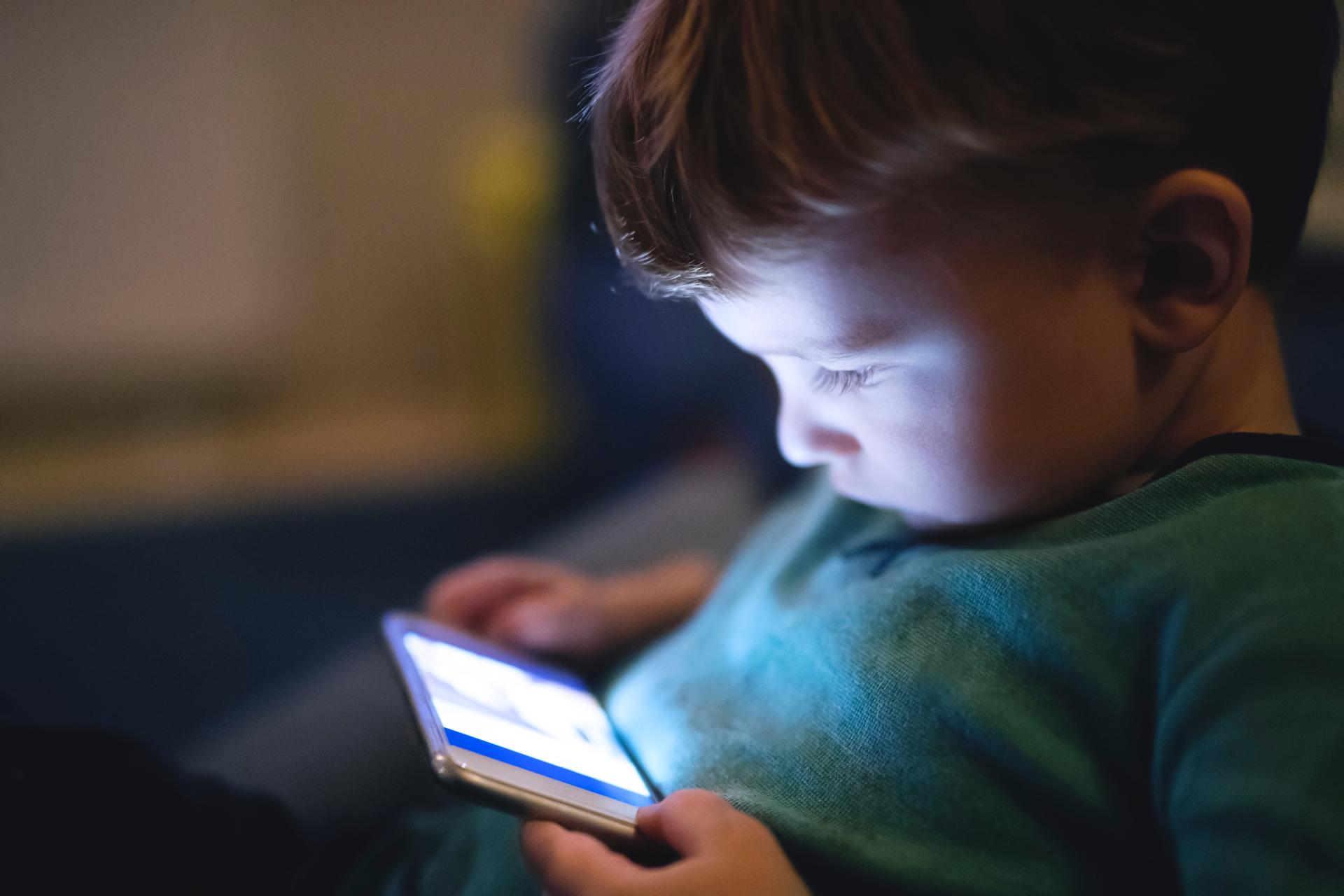
The incorrect notion that very young children don’t use digital technology (and the mythologising of a ‘tech-free past’) can likewise be an obstacle to understanding not just the nature of their tech use, but its possible at-home benefit.
We're joined by Professor Janet Goodall, researcher and Professor of Education at Swansea University’s Department of Education and Childhood Studies, to discuss parental engagement, family learning outcomes, and her recent research on early years media literacy and toddler digital tech habits.
You can catch up on every episode of the Tech Shock podcast here.
Latest Articles


Online, at risk and out of pocket: protecting a generation of children from financial harm
With children increasingly exposed to financial risks online, from in-game spending traps to peer-to-peer payment scams on apps like PayPal and Venmo, new PSHE resources aim to

Designing ways to identify Child Financial Harms in games
How can we design games to protect children from hidden financial harms, including loot boxes, gacha mechanics, battle pass upsells, and "free" in-game currency that isn't actually free? Sarah Drummond explores how user-centered design and plain language can help parents make safer choices in the digital play space.