
From Consumers to Creators: The Safeguarding Risks of the Youth Content Economy
This is a guide for safeguarding leads and teachers on a shift happening in plain sight. Pupils are no longer just watching TikTok, many are trying to become creators themselves, filming and posting their own content. Often, without realising it, they're sharing their school uniform, their location, and their daily routine along with it.
The shift from watching to posting
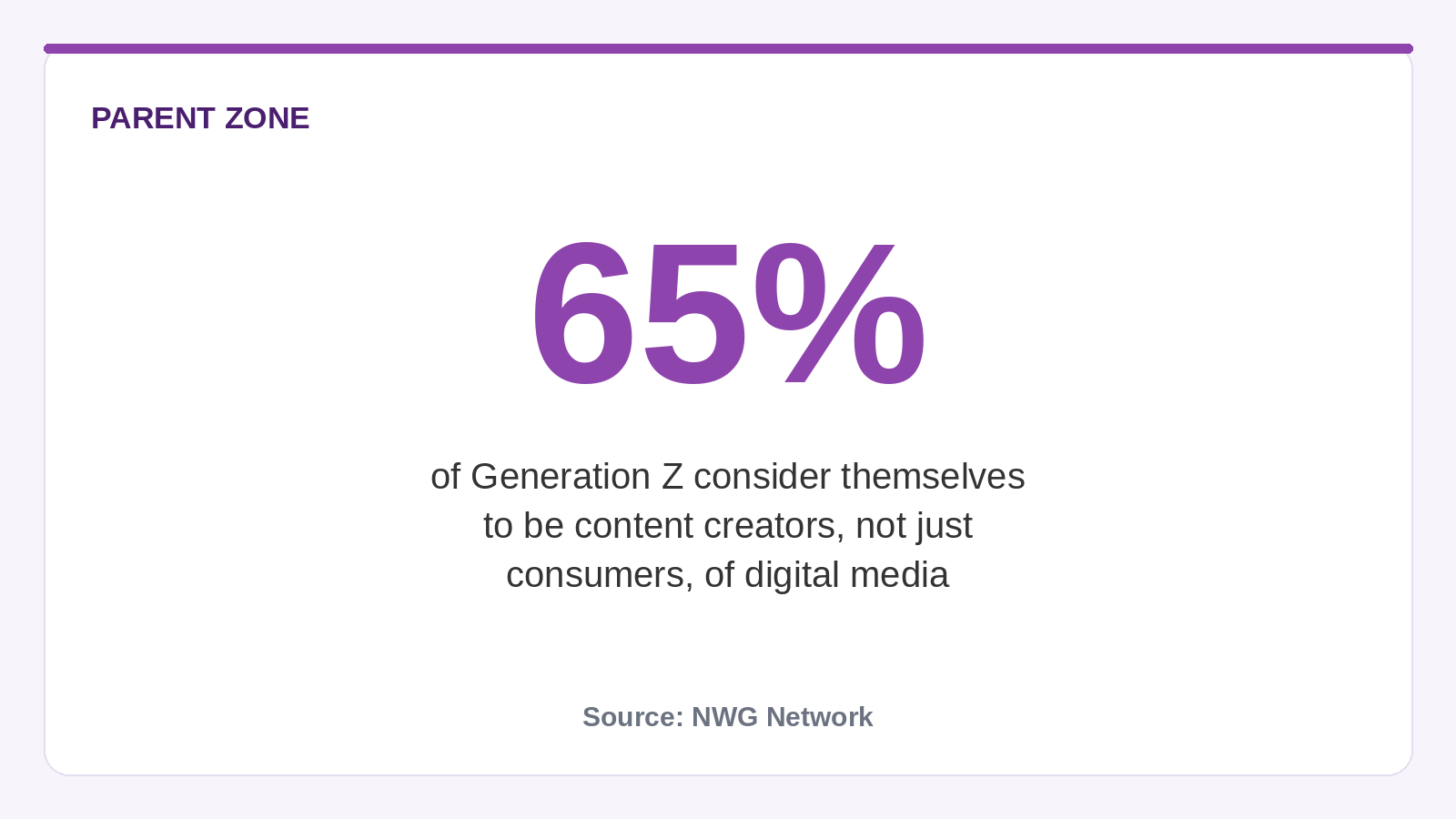
Platforms are built to turn viewers into creators, and pupils are responding. Get ready with me videos, day in the life content, and school hauls are all genres pupils are producing themselves now, not just watching. That changes the safeguarding picture. It's no longer only about what a pupil sees, it's about what they're broadcasting, often without thinking through what's visible in frame.
What's actually being given away
A single short video can reveal far more than a pupil intends:
- School identity. A uniform, badge, or building in the background can identify the exact school in seconds.
- Location. Recognisable streets, landmarks, or a front door are enough for a stranger to work out roughly where a pupil lives.
- Routine. Filming "get ready for school" or "walk home" content reveals timing, when a pupil leaves the house, which route they take, when they're likely to be alone.
None of this requires a pupil to say anything private out loud. It's often sitting in the background of a video they think is entirely harmless.
A 2-minute activity you can run today
A quick way to open this conversation is a two minute whiteboard activity where the class watches a short clip (or a mocked-up example) and lists everything visible in the background that reveals something about the person filming it, their school, their street, their routine. It works well as a form time starter and needs no preparation.
[Try the free classroom whiteboard activity →]
What to say to pupils, and to parents
For pupils, this lands best framed as a skill rather than a ban. Ask them to watch their own content back and spot what a stranger could work out about them, which puts them in control rather than being told what not to do.
For parents, the aim is to raise it without sounding alarmist. Most parents are already aware their child watches content, far fewer have thought about what their child might be posting, so this is often a genuinely new conversation for them rather than one they've had before.
Building this into your safeguarding approach
This is a new and growing category of risk, and it needs a structured, ongoing response across the school rather than a single assembly or one off talk. As more pupils try their hand at creating content, the risks in this section will only become more common, not less.
Teaching kids who create requires new skills. [Check out our Be Internet Citizens’ programme]
Frequently asked questions
Is this mainly a secondary school issue, or does it affect primary pupils too?
It's most common from upper primary onwards, once pupils have their own devices and start engaging with platforms like TikTok, but "get ready with me" style filming has crept into younger year groups too. Worth checking your own pupil population rather than assuming it's a Key Stage 3+ issue only.
Whose job is this conversation, form tutors, DSLs, or PSHE leads?
Best run as a whole-staff awareness point rather than sitting with one role. A form tutor can run the two-minute activity without any safeguarding training, but the DSL should be aware this risk category exists so it's factored into wider safeguarding planning, not treated as a one-off lesson topic.
Does this overlap with existing "stranger danger" or online safety teaching, or is it genuinely new ground?
It's a distinct risk from traditional stranger-danger messaging, which focuses on what a pupil might be told or asked online. This is about what a pupil unintentionally shows, through their own content, regardless of who they're talking to or whether anyone's asked them anything at all.
What if a pupil doesn't post publicly, does this still apply?
Yes. Even content shared with "friends only" can be screenshotted, reshared, or seen by a wider circle than intended. The safeguarding risk comes from what's visible in the content itself, not just who it's shared with.