
A different digital world
What's in scope of the under-16s social media ban?
The government has announced radical steps to curb children’s use of social media and limit some functionalities. They have said they want to give children their childhoods back and will also announce plans to “enrich children’s lives offline, through the Department for Education’s and the Department for Culture, Media and Sport’s plans to ensure children across the country can build skills, feel more confident, and spend time with friends in real life.”
We know that parents will be pleased with any efforts to ensure that children can enjoy a childhood that includes opportunities and promotes wellbeing.
Parent Zone is a delivery organisation; we leave others to campaign for change whilst working hard to ensure that the real life impact is well managed and positive. In the weeks and months ahead, we will continue to focus on the things a social media ban cannot achieve and consider how to mitigate the risks associated with a ban.
Importantly, we know that parents and the professionals who support them will have questions about what is in scope and what isn’t.
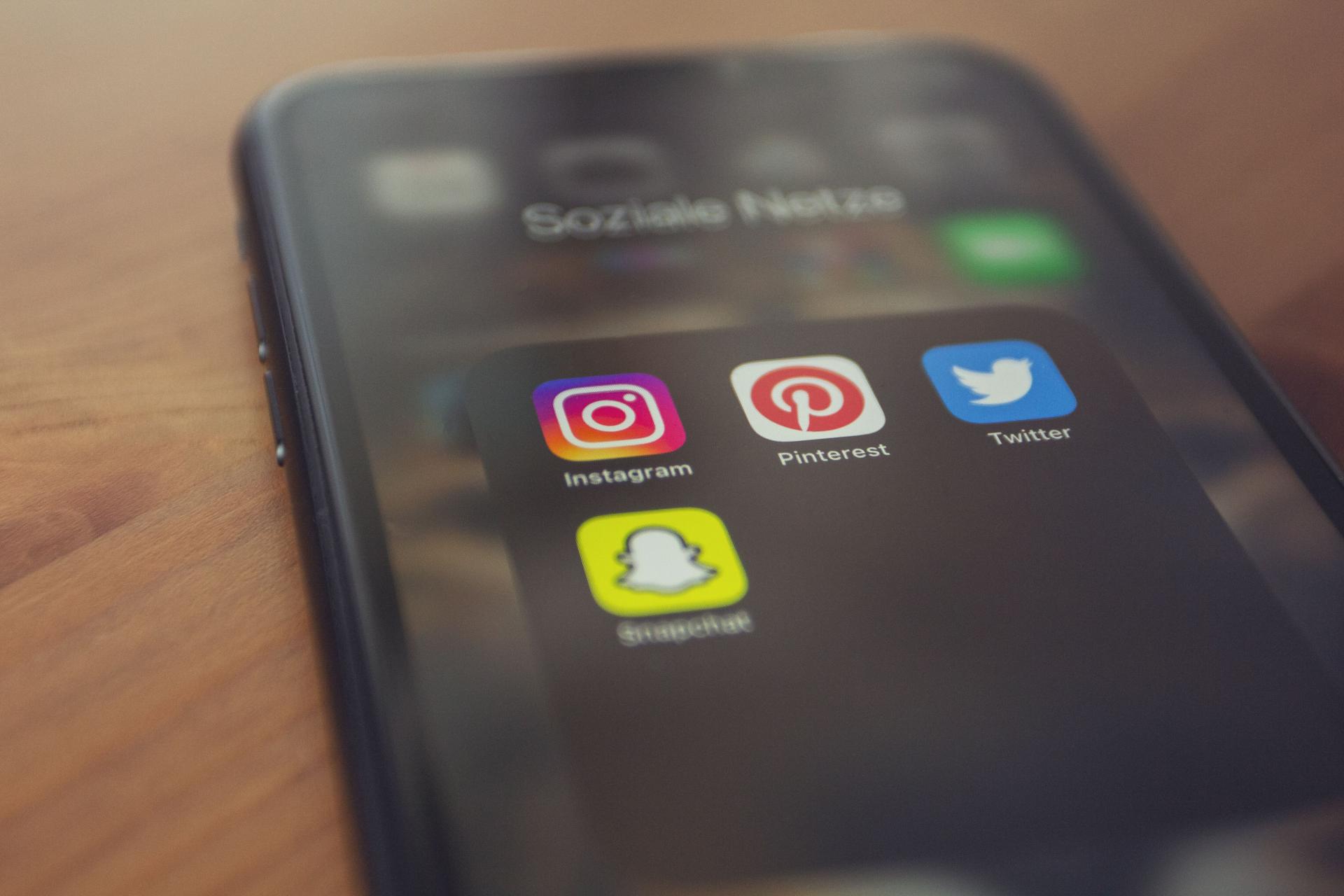
The government has defined social media as “user-to-user platforms, whose purpose is to enable social interaction and which allow users to post material, alongside algorithms." The ban will therefore include platforms like Snapchat, TikTok, YouTube, Instagram, Facebook, and X.
They have excluded messaging services like WhatsApp and Signal but have also said they plan to limit certain functionalities including livestreaming and stranger communication.
Some functionalities will be restricted, with ‘on by default’ settings for 16- to 18-year-olds, whilst anyone under the age of 16 will need to pass through highly effective age assurance processes to access platforms. The exact nature of those processes is yet to be defined. Finally, romantic companion chatbots will be restricted for all under-18s.
A lot remains unclear – and as clarity emerges we will share it.
What is already self-evident is that bans will not replace parenting and education.
Children and young people will still use the internet, and there is a live risk – a probability – that many will find ways around restrictions. It’s also reasonable to expect that young people will feel less confident reaching out for help if they do test these newly-imposed boundaries.
Media literacy skills, effective digital parenting approaches and education that explains new and emerging tech remain incredibly important.
The risk that the message parents’ hear – that children will be safer, despite no evidence that that will be the case – is troubling. It’s why doubling down on supporting parents and young people as they navigate this change is vital. Performative politics aside, getting this right for children has just become more urgent than ever.